

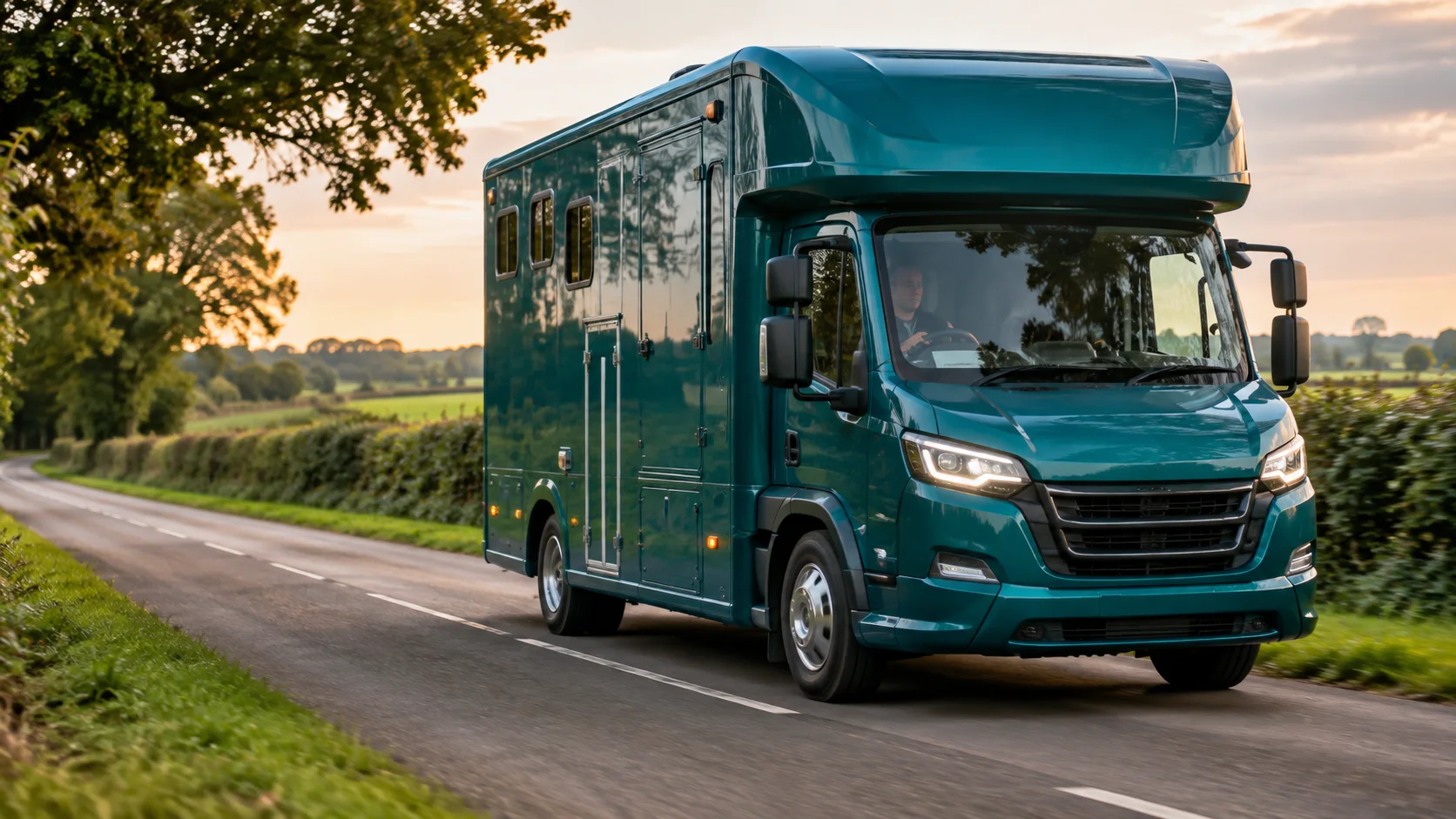

Taking a horse to Europe from Great Britain has involved more paperwork since the UK left the EU. Competition riders, people relocating abroad and owners buying or selling horses across the Channel all now need export health certification, approved border entry points and careful planning. The process is manageable, but it rewards starting early and using people who do it every week.
This guide explains the main steps for moving horses from Great Britain to the EU. Rules change and vary with the purpose of travel and the type of horse, so always check the current GOV.UK guidance and speak to an experienced shipping agent before you book anything.
Key points
- Horses moving from GB to the EU need an export health certificate (EHC) signed by an official vet.
- They must enter the EU through a border control post approved for equines.
- Requirements differ for registered horses (EU-recognised studbooks) and unregistered horses.
- UK transporter authorisations are not valid in the EU on their own, so most owners use specialist transporters.
Step 1: Decide the purpose and length of the trip
The certificate you need depends on why the horse is travelling and for how long. Common scenarios include:
- Temporary export for competition, for example an international event, with the horse returning to Great Britain.
- Permanent export after a sale or a move abroad.
- Breeding, training or veterinary treatment.
There are specific certificates for registered horses taking part in competitions and returning within set periods. Export of horses for slaughter from Great Britain is banned under the Animal Welfare (Livestock Exports) Act 2024.
Step 2: Check your horse’s identification
- A valid passport and a registered microchip are essential. See our horse passport guide.
- Horses belonging to an EU-recognised UK studbook can use certificates available only to registered horses.
- Unregistered horses need a supplementary travel ID, which is valid for a single journey to the EU or Northern Ireland and the return to Great Britain.
Step 3: Choose an agent or transporter
GOV.UK advises contacting an agent or transporter early and telling them when you plan to travel, because routing through an EU border control post (BCP) can take time to arrange. Experienced equine shipping agents handle bookings at ferry ports, BCP appointments, paperwork checks and timings. They also hold the EU-recognised authorisations needed to transport animals within the EU.
Questions to ask a shipping agent
- Which route and border control post will you use, and why?
- Who arranges the official vet and the EHC?
- What testing and isolation does my horse need for this certificate?
- How long will the horse be on the vehicle, and where are rest stops?
- What happens if the horse is delayed or refused at the border?
- What insurance covers the horse during transport?
Step 4: Apply for the export health certificate
An EHC is applied for online through the UK government’s export service, and is certified by an official veterinarian. Depending on the certificate, the horse may need blood tests for certain diseases, a period of residency or isolation, and a clinical examination within a set time before departure. Your official vet and agent will tell you the exact requirements and timings for your certificate. Build in time for test results.
Step 5: Plan the journey
- Crossing: most horses cross by ferry with a specialist lorry, often via short-sea routes from the south-east.
- Border control post: the horse must enter the EU at a BCP approved for equines and pass documentary and identity checks.
- Journey times: long journeys bring welfare rules on rest, feed and water. Our guides to long-distance horse travel and travel sickness in horses explain how to reduce the risks.
- Documents on board: passport, EHC, supplementary travel ID if needed, and transport documents.
Step 6: Coming home
If your horse is returning to Great Britain, there are import requirements too, including health certification for re-entry and notification through the UK import system. Plan the return leg at the same time as the outward journey, especially for competitions with tight schedules.
Costs and timescales
Costs depend on the route, distance, whether the horse shares a lorry, veterinary testing, certification fees and agent charges. Timescales vary from a couple of weeks for simple competition trips with an experienced agent to considerably longer if testing or isolation is required. Ask for a full written quote that lists every element.
Common mistakes
- Leaving planning until a few days before the event.
- Assuming a UK transporter authorisation is valid in the EU.
- Forgetting the supplementary travel ID for an unregistered horse.
- Microchip numbers that do not match the passport.
- Not planning the return trip.
Frequently asked questions
Can I drive my own horse to France?
Private owners can, but you will still need the correct export health certification, BCP entry and documents. Most owners find it simpler and safer to use a specialist transporter.
Does Northern Ireland follow the same rules?
Movements from Great Britain to Northern Ireland follow EU-style requirements, including entry through approved points. Check the current guidance before travelling.
How far ahead should I start planning?
Ideally several weeks, and longer for permanent export or if testing and isolation are needed.
Summary
Identify the right certificate, check identification, appoint an experienced agent early, complete veterinary requirements in good time and plan both directions. Start with the official GOV.UK guidance on exporting horses and ponies. This article is general information and does not replace advice from an official vet or agent.