

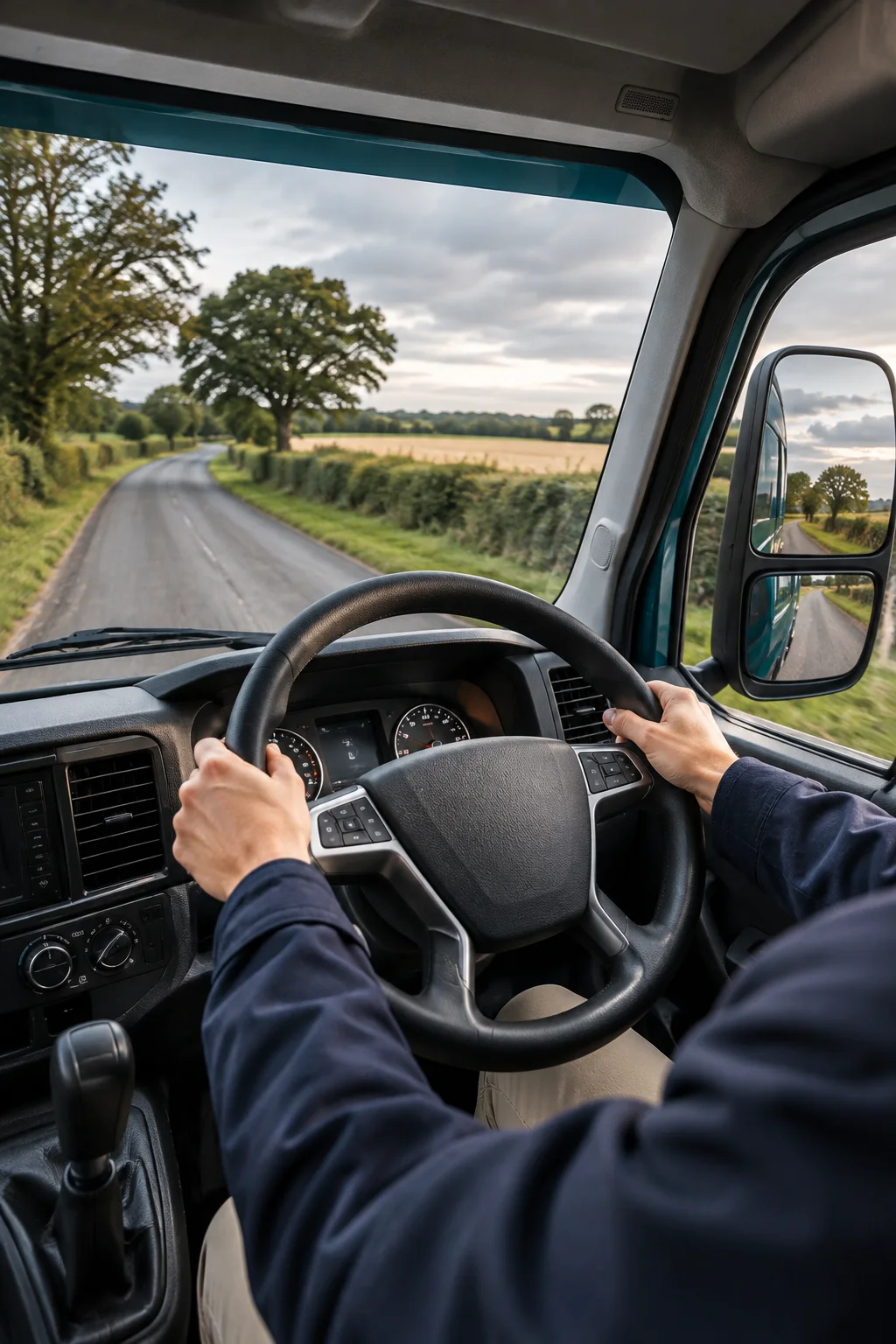

A transporter authorisation is the document that allows a business to move animals by road on longer journeys in Great Britain. If you run a livery yard, train or deal in horses, transport horses for payment or move horses as part of any business, it is one of the most important pieces of paperwork you hold. If you hire a transporter, it is one of the first things you should ask to see.
This guide explains when authorisations apply, the difference between type 1 and type 2, certificates of competence, vehicle approval and how to apply.
Key points
- An authorisation is needed to transport animals over 65km in connection with an economic activity.
- Type 1 covers journeys over 65km and up to eight hours; type 2 covers journeys over eight hours.
- Drivers and attendants need a certificate of competence.
- Authorisations are issued by the Animal and Plant Health Agency (APHA) and last up to five years.
When you need a transporter authorisation
GOV.UK guidance says you must have a UK-issued transporter authorisation if you transport animals over 65km. The welfare in transport rules apply to animal transport carried out in connection with an economic activity, which in the horse world can include:
- Professional transporters moving clients’ horses.
- Livery yards, riding schools and trainers moving horses for their business.
- Dealers and breeders delivering horses to buyers.
- Professional riders and competition yards in some circumstances.
Owners moving their own horses purely for leisure are generally outside these business rules, although the general duty not to cause injury or unnecessary suffering applies to everyone who transports animals. If you are unsure which side of the line you fall on, ask APHA before you travel.
Type 1 and type 2 compared
| Type 1 (short journey) | Type 2 (long journey) | |
|---|---|---|
| Journeys covered | Over 65km and up to 8 hours | Over 8 hours, and also shorter journeys |
| Certificate of competence | Required for drivers and attendants | Required for drivers and attendants |
| Vehicle approval | Not usually required | Vehicles must be inspected and approved |
| Contingency plans | Good practice | Required |
| Validity | Up to 5 years | Up to 5 years |
You must carry a copy of the authorisation when transporting animals and show it on request.
Certificates of competence
Drivers and attendants transporting horses commercially need a certificate of competence. It shows that they have been trained and assessed in areas such as animal welfare in transport, fitness to travel, handling, loading, driving and emergency procedures. Assessments are carried out by independent bodies approved by the government. Certificates can be limited to specific species, so make sure equines are covered.
Vehicle approval for long journeys
Vehicles used on journeys over eight hours must be inspected and approved. Approval looks at features such as ventilation, partitions, access to water, flooring, loading ramps and temperature monitoring. Long-journey vehicles also need appropriate navigation and record-keeping systems in many cases.
Other documents
- Animal transport certificate: records origin, destination and details of the journey for many commercial movements.
- Horse passports: must travel with every horse. See our passport guide.
- Operator licence: needed for commercial use of goods vehicles over 3,500kg. See our guide to the horsebox operator licence.
- Driving licence: the right category for the vehicle’s plated weight.
How to apply
- Contact the APHA Welfare in Transport team for the correct application form. GOV.UK lists the current contact details.
- Arrange certificates of competence for every driver and attendant.
- For type 2, arrange vehicle inspection and approval, and prepare contingency plans.
- Submit the application and supporting documents.
- Diarise renewal well before the authorisation expires; renewal is not automatic.
Travelling to the EU
Since 1 January 2021, UK-issued transporter authorisations, certificates of competence and vehicle approvals are not valid on their own for transporting animals into EU member states. Transporters working in the EU need EU-recognised documents. This is one reason why most owners use specialist agents for European trips; see taking a horse to Europe.
What this means if you hire a transporter
For any paid journey over 65km, your transporter should hold the right authorisation, and the people handling your horse should hold certificates of competence. Ask to see them. Our guide to choosing a horse transporter lists the other questions worth asking.
Frequently asked questions
Do I need an authorisation to take my own horse to a show?
Not for purely private leisure use. If the journey is connected with a business, or you are paid, check with APHA.
How long does a transporter authorisation last?
Up to five years. Apply for renewal before it runs out.
Is 65km measured door to door?
It refers to the journey distance from the place of departure. Many journeys from Chelmsford to venues outside Essex easily exceed it.
Summary
If horse transport is part of your business and journeys exceed 65km, you need a transporter authorisation, trained staff and, for long journeys, approved vehicles. If you hire a transporter, check they have them. The official guidance is on GOV.UK: transporting animals in Great Britain. This article is general information, not legal advice.